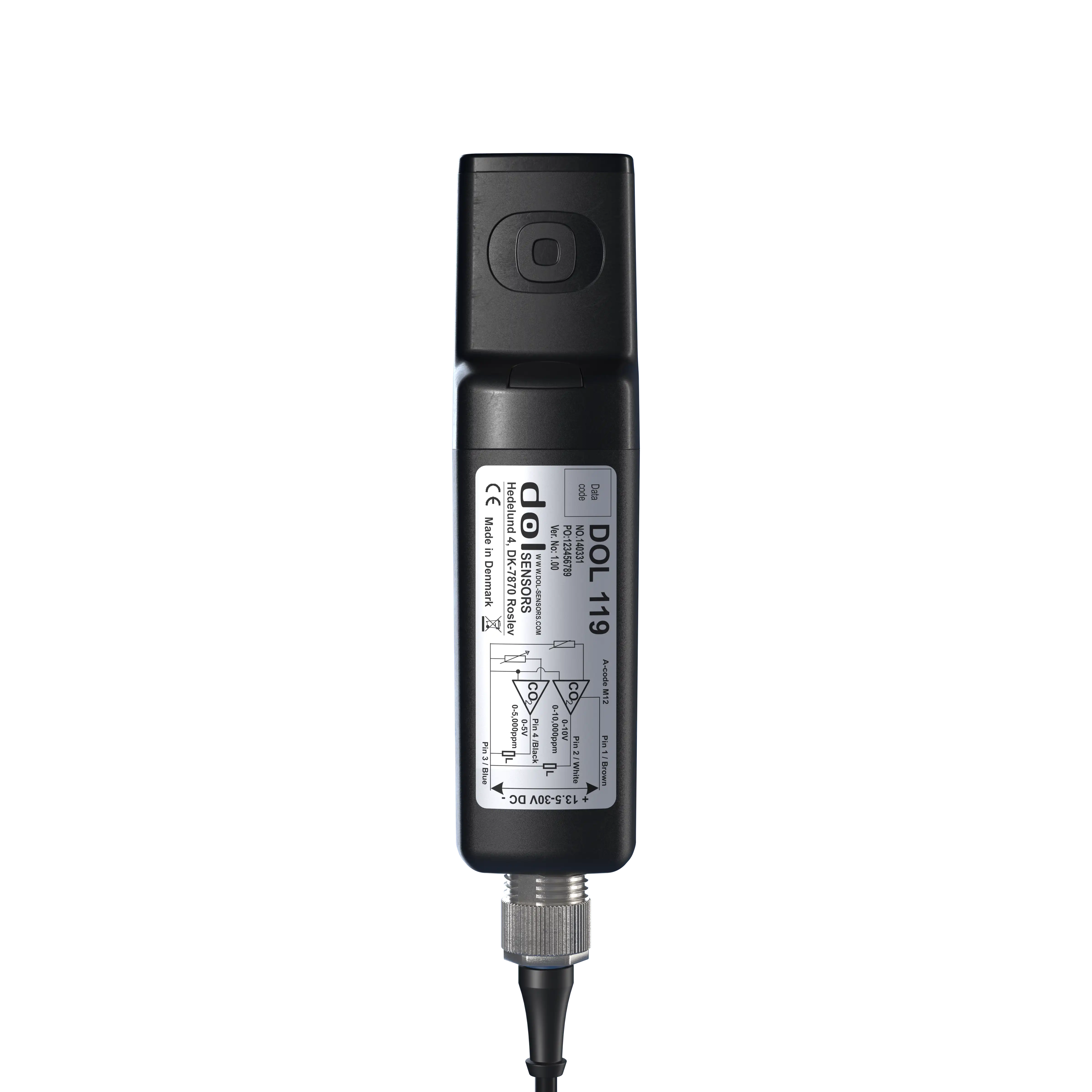

CO2 sensors
CO2 sensors
CO2 sensors for better animal welfare
Maintaining low CO2 (carbon dioxide) levels is vital to agricultural production and animal welfare. On poultry and pig farms, excessively high CO2 levels can cause high feed consumption and increased mortality, significantly affecting productivity and reducing profits for farmers and farm managers.
Carbon dioxide buildup in a livestock house can cause respiratory problems and even death, making CO2 monitoring vital to production. Controlling ventilation and removing CO2 from the house is one of the most important factors in poultry and pig production.
High CO2 levels can also cause stress and discomfort in animals, leading to aggressive behaviour and a higher risk of injury. By monitoring CO2 levels and controlling ventilation, farmers and farm managers can create more comfortable, healthier conditions for their animals, reducing the risk of disease and improving overall welfare.
Benefits of using CO2 sensors in livestock houses
Using CO2 sensors in livestock houses offers several benefits, including:
- Improved animal welfare: by monitoring CO2 levels and controlling ventilation, farmers can create more comfortable, healthier conditions for their animals, reducing the risk of respiratory problems and disease.
- Higher productivity: maintaining optimal air quality can improve animal performance, reduce mortality and increase profits for farmers.
- Energy savings: by monitoring CO2 levels and controlling ventilation, farmers can optimize energy use and reduce heating and cooling costs.
dol-sensors has designed, developed and manufactured two different CO2 sensors:
All our sensors are specially designed for the harsh conditions in livestock houses.