Poultry ammonia sensor
Poultry ammonia sensor
Ammonia sensor for poultry
Ammonia is one of the most common causes of poor animal welfare on poultry farms. It is also a major cause of respiratory problems, foot and breast sores, and reduced weight gain.
What is ammonia?
Ammonia is a chemical compound of nitrogen (N) and hydrogen (H), with the formula NH3. It occurs widely in nature and is naturally present in manure and urine.
The smell of ammonia is familiar from the pungent smell of manure or the environment of a chicken farm.
Ammonia forms in humans and animals when proteins (albumin) from food are broken down or during the ongoing renewal of body tissues. Some also forms in the intestine when bacteria break down proteins and other nitrogen-containing compounds.
Ammonia in poultry houses
In poultry houses, ammonia is a by-product of manure. The breakdown of nitrogen compounds produces ammonia (NH3+) and ammonium (NH4-). Ammonia is lighter than air, so it rises into the air, causing respiratory problems and unpleasant odours. Low litter pH, high temperatures and high humidity in the poultry house promote ammonia formation.
Why should you care about ammonia levels in poultry production?
Ammonia is a major cause of respiratory problems in chickens, and high ammonia levels in poultry-house litter can cause serious sores on the birds' breasts and feet. Ammonia also causes lower weight gain, a higher FCR and poorer animal welfare.
Working in an environment with high ammonia levels is also unpleasant and unhealthy for people.
Some countries have legislation governing how much NH3 livestock operations may release into the environment.
How to measure ammonia levels in poultry houses using an ammonia sensor
Many different NH3 sensors are available on the market, but it is important to use a sensor that provides accurate measurements.
Sensor quality and service life are also very important. Most ammonia sensors are fairly expensive, so replacing them should not be necessary very often.
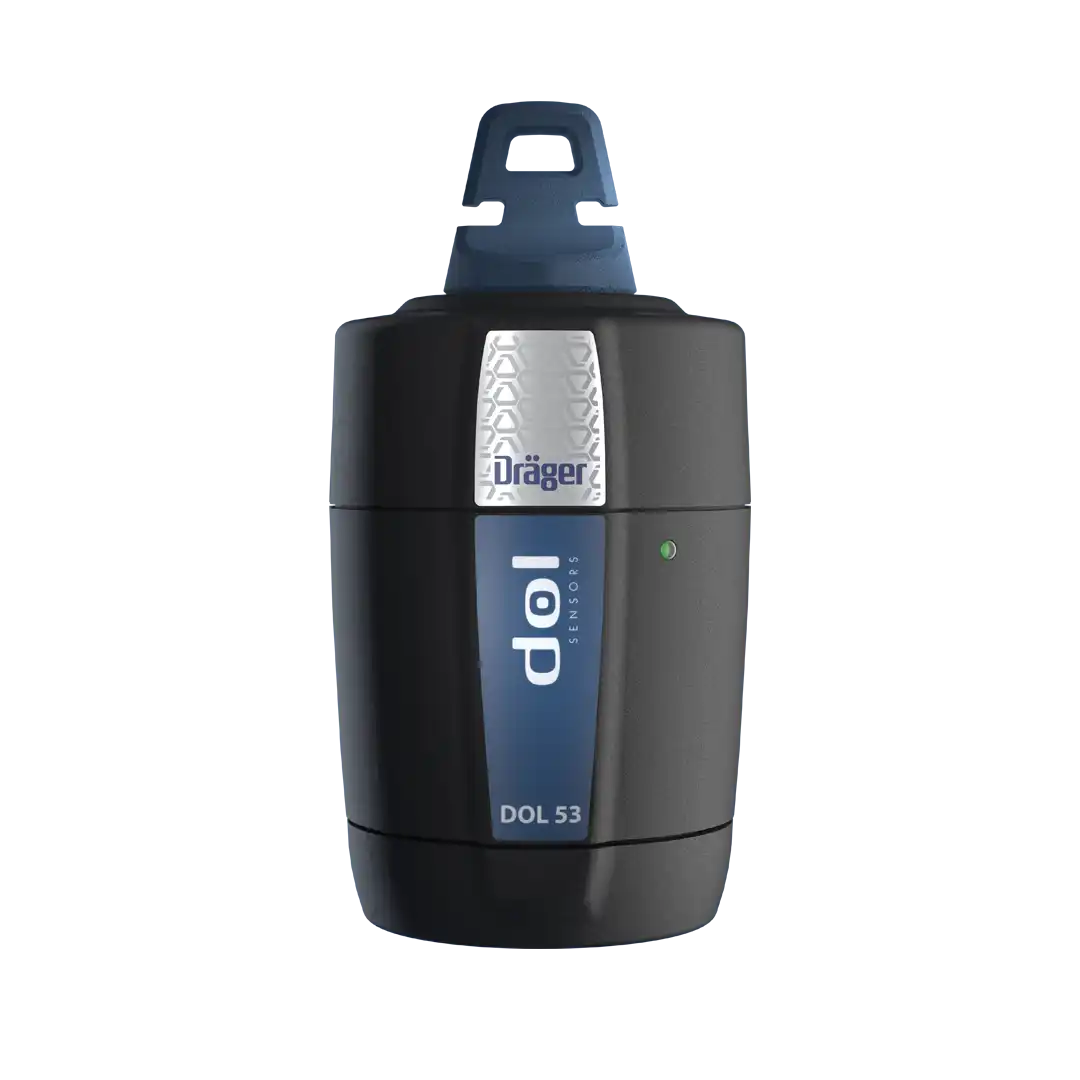
At dol-sensors, we have created ammonia sensors that provide extremely accurate data and are designed specifically for agriculture and poultry-house environments with heavy dust, fluctuating temperatures and high humidity. Our sensors have minimal cross-sensitivity to other gases and work at both high and low NH3 concentrations.
As a special feature, you can simply replace the sensor's filter instead of replacing the entire sensor. This is much cheaper, better for the environment and much easier.
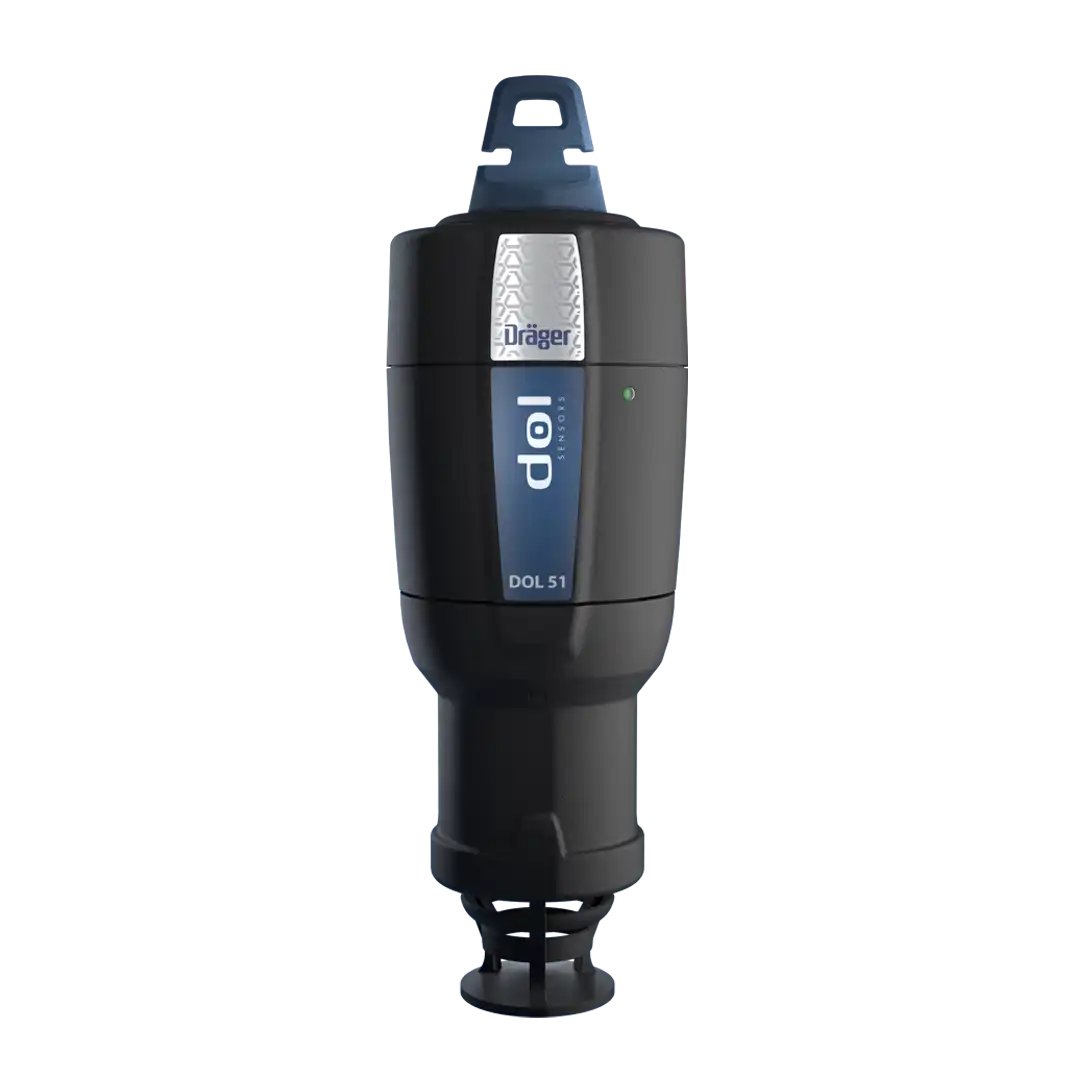
Learn more about the award-winning DOL 53 Ammonia Sensor from dol-sensors here and about our DOL 51 Ammonia Sensor for Air Cleaning here.
How to reduce ammonia levels in poultry production
Because chicks depend on fairly high temperatures, reducing the temperature to limit ammonia formation is not an option.
However, reducing humidity and litter pH will have a very positive effect on ammonia formation. This can be done by adjusting ventilation rates and changing litter between batches.
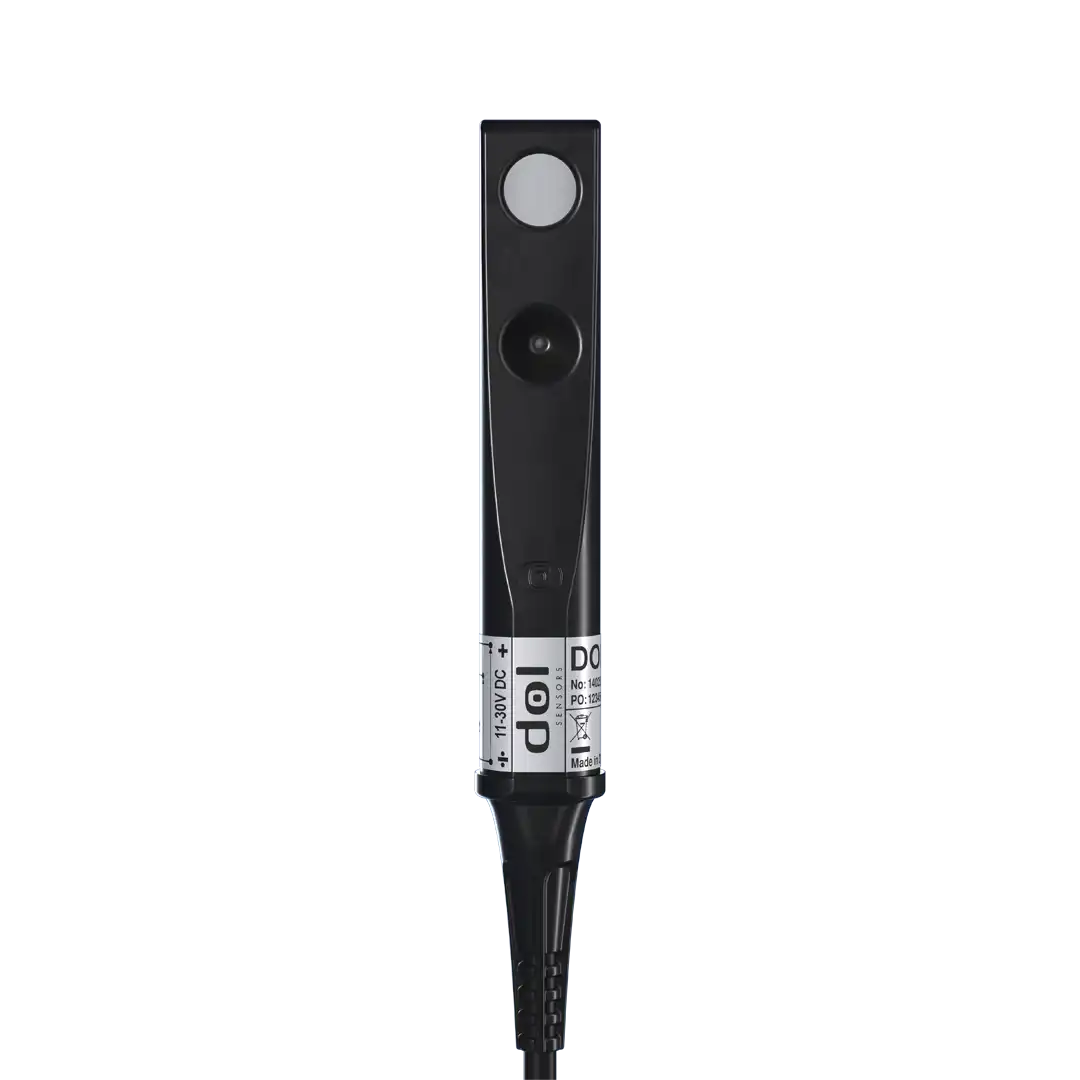
You can use DOL 114 to monitor temperature and humidity in poultry houses.