
NH3 sensors
NH3 sensors
NH3 sensors for more efficient livestock production
Ammonia (NH3) is a colourless gas with a pungent smell that can harm both animals and people. In livestock production, ammonia emissions can cause respiratory problems, reduced growth rates and lower feed efficiency. Monitoring and controlling ammonia levels in livestock houses is therefore important.
In poultry production, litter is a constant challenge when it comes to NH3 formation. The Poultry Site states in an article that: “Producers often significantly reduce ventilation rates in winter to save fuel and reduce heating costs, but this in turn often leads to wet litter and increased ammonia levels, putting flock health at risk.”
NH3 sensors are an effective tool for measuring and controlling ammonia levels in livestock production. These sensors detect ammonia concentrations in the air and provide farmers with real-time data, allowing informed decisions to improve animal welfare and production efficiency.
NH3 sensors can be integrated into existing ventilation systems, allowing farmers to automate ventilation and maintain optimal ammonia levels. This automation saves time and labour while ensuring a healthy, safe environment for animals.
NH3 sensors can also help farmers detect and diagnose ammonia-related animal health problems before they become serious. Early detection of respiratory problems caused by high ammonia levels can reduce treatment costs and improve animal welfare.
NH3 sensors therefore play a vital role in livestock production, providing real-time data and enabling farmers to automate ventilation systems to maintain optimal ammonia levels. They also help farmers detect and diagnose ammonia-related health problems early, reducing treatment costs and improving animal welfare. Animals in a clean, healthy environment also grow faster and need less medication.
The importance of NH3 sensors in reducing the environmental impact of livestock production
Livestock production contributes significantly to environmental pollution through ammonia emissions. Ammonia can react with other airborne pollutants to form harmful secondary pollutants, such as particulate matter and ozone. These pollutants can cause respiratory and other health problems in both people and animals.
NH3 sensors are an important tool for reducing the environmental impact of livestock production. They allow farmers to monitor and control ammonia levels in livestock houses, reducing emissions and their environmental impact.
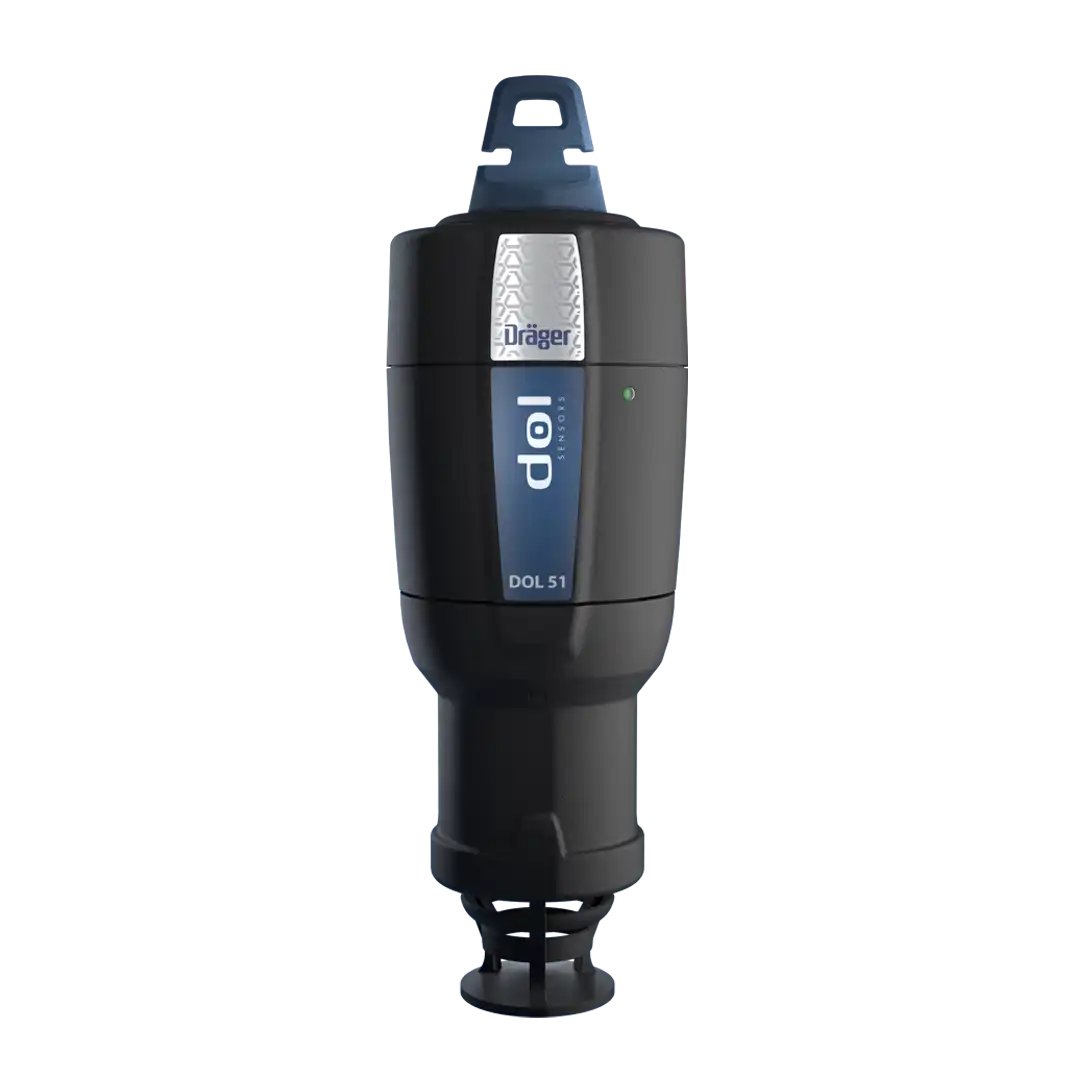
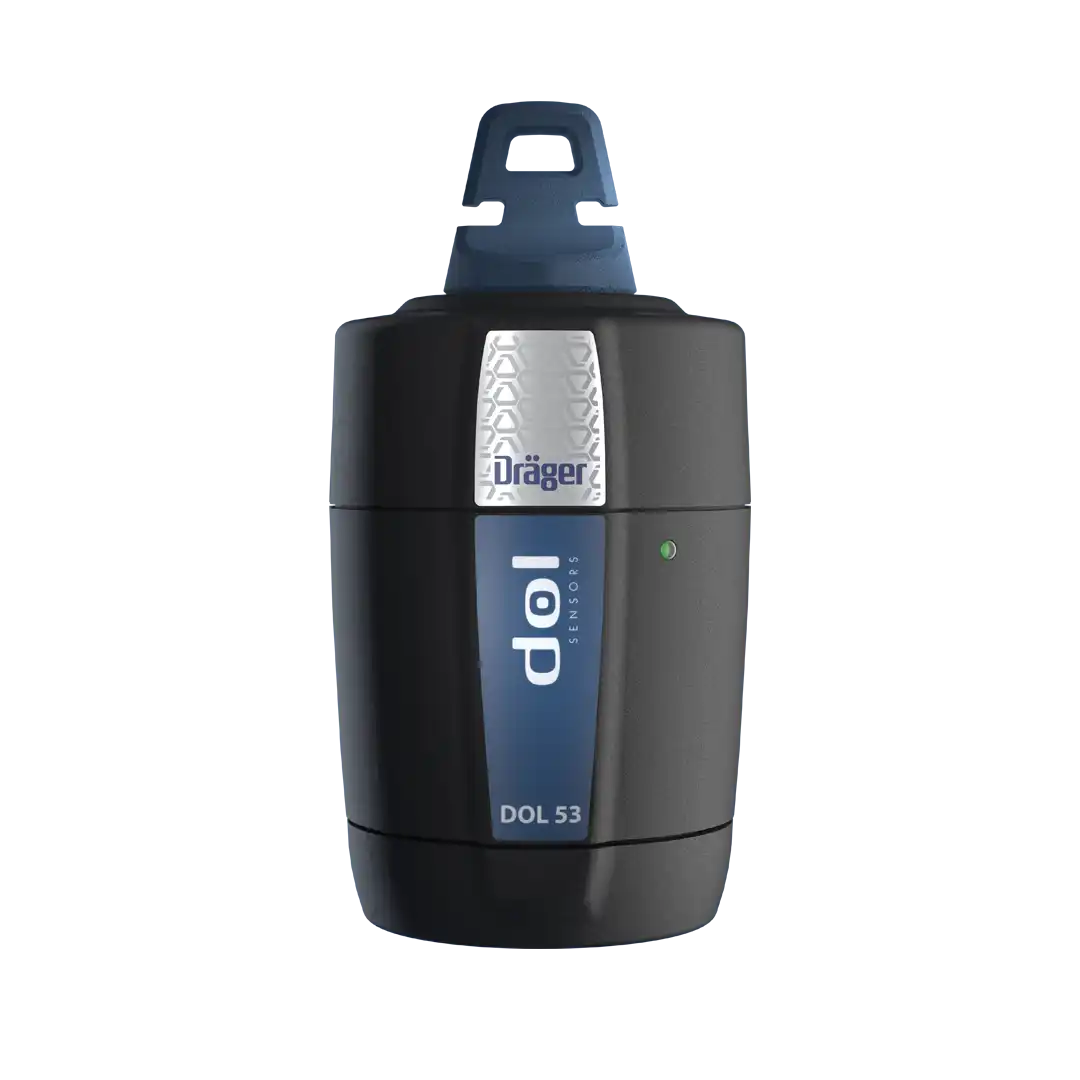
On the clean-gas side of air cleaners, DOL 51 Ammonia Sensor for Air Cleaning measures the residual ammonia concentration after the air has passed through the filters. These data are vital for documenting exhaust-air cleanliness. Combined with data from DOL 53 Ammonia Sensor on the inlet side of the air cleaner, DOL 51 data can be used to ensure air cleaners operate as efficiently as possible at the lowest possible additive cost.