Humidity sensor
Humidity sensor
Humidity sensor
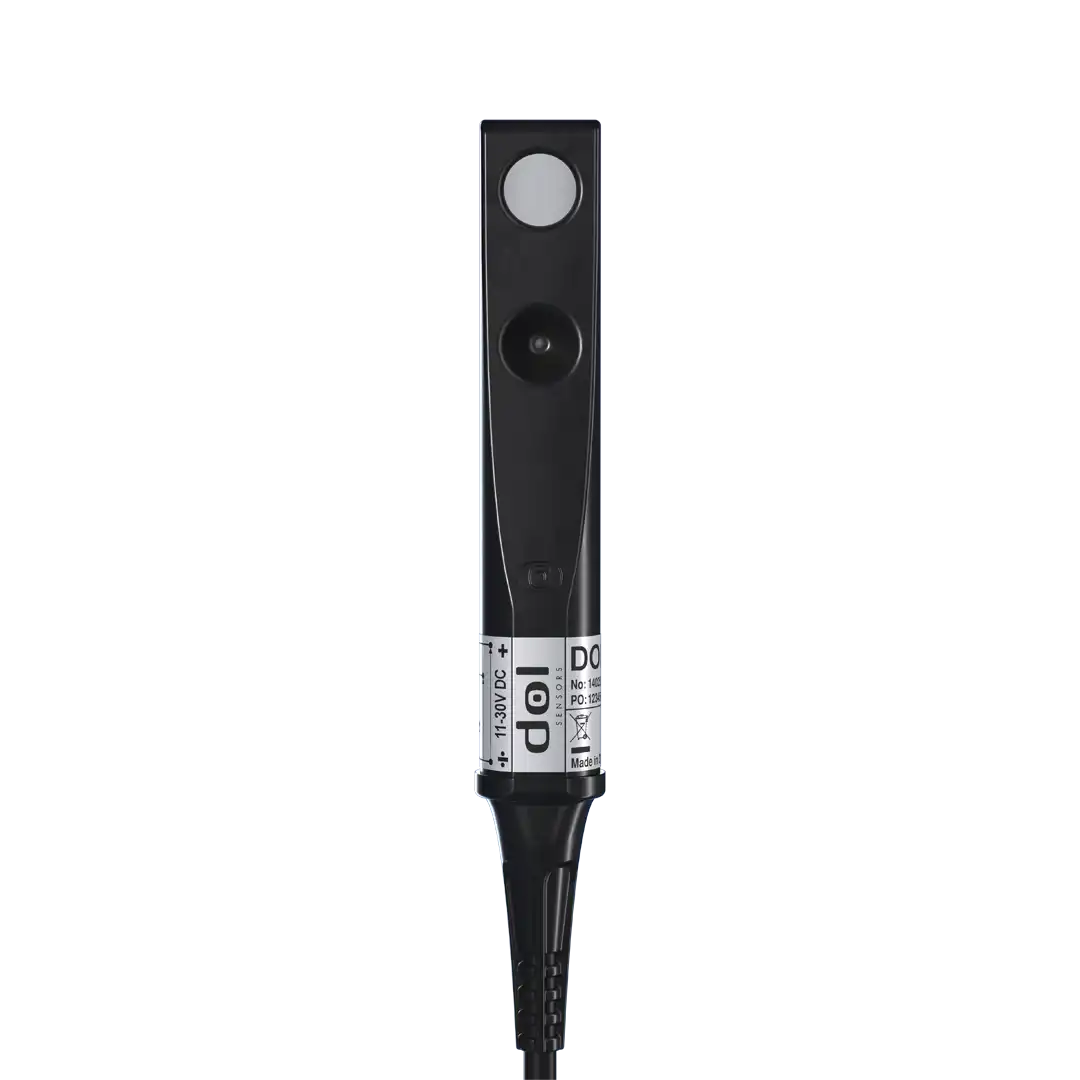
Humidity sensors are used in a range of applications, from measuring soil moisture to monitoring humidity levels in buildings. They are an important part of many devices, including air conditioners, dehumidifiers and humidifiers.
Types of humidity sensors
There are two main types of humidity sensors: capacitive and resistive.
- Capacitive humidity sensors
Capacitive humidity sensors measure changes in a material's capacitance as it absorbs or releases water vapour. A typical capacitive humidity sensor consists of two electrodes separated by a moisture-sensitive dielectric material. This material absorbs or releases moisture from the surroundings, changing its dielectric permittivity and therefore the sensor's capacitance.
Capacitive humidity sensors are preferred over resistive sensors because they are more accurate, respond faster and are less affected by temperature changes. They are typically used where high accuracy and fast response are critical, such as climate-controlled livestock houses, laboratories and research facilities.
- Resistive humidity sensors
Resistive humidity sensors measure changes in a material's electrical resistance as it absorbs or releases water vapour. A typical resistive humidity sensor consists of a thin-film or thick-film polymer material whose resistance changes in the presence of moisture. The change in resistance is proportional to the ambient humidity level.
Resistive humidity sensors are less expensive than capacitive sensors and are typically used where cost is a significant factor, such as consumer electronics and industrial applications.
How humidity sensors work
Humidity sensors work by measuring the amount of water vapour in the surrounding environment. The most common method uses a moisture-sensitive material whose electrical properties change with the ambient moisture level.
The moisture-sensitive material in the sensor absorbs or releases moisture from its surroundings, changing its electrical properties. This change is measured and used to determine the ambient humidity level.
Applications of humidity sensors
Humidity sensors are used in various applications, including:
- HVAC systems:
Humidity sensors are used in heating, ventilation and air conditioning (HVAC) systems to maintain optimal humidity in buildings. High humidity can lead to mould and mildew growth, causing health problems. Low humidity can cause dry skin, respiratory problems and damage to wooden furniture.
- Industrial processes:
Humidity sensors are used in industrial processes to monitor materials' moisture levels. High moisture levels can cause corrosion and deterioration, while low levels can cause cracking and brittleness.
- Agriculture:
Humidity sensors are used in agriculture to monitor moisture levels in soil or air in livestock houses. These data help determine when to water crops and how much water to apply, and control the building's ventilation system.
- Medical devices:
Humidity sensors are used in medical devices such as ventilators and oxygen concentrators to monitor humidity in air supplied to patients. Maintaining appropriate humidity is critical for patients with respiratory problems.
- Consumer electronics:
Humidity sensors are used in consumer electronics such as smartphones, wearable devices and smart-home devices. They provide information about the environment and adjust device performance based on humidity levels.