Waterproof CO2 sensor
Waterproof CO2 Sensor
Waterproof CO2 sensor
In agriculture, CO2, or carbon dioxide, plays a vital role because it affects animal welfare and therefore production performance. This makes CO2 sensors essential tools in livestock production.
Types of humidity sensors
Waterproof CO2 sensor
In agriculture, CO2, or carbon dioxide, plays a vital role because it affects animal welfare and therefore production performance. This makes CO2 sensors essential tools in livestock production.
CO2 sensors measure carbon dioxide levels in livestock houses and, together with a farm controller, can help automatically control ventilation to provide optimal climate conditions for the animals.
First, CO2 sensors exposed to moisture or water can suffer damage to their sensitive components, causing inaccurate readings or complete failure. Moisture can corrode or short-circuit electrical connections and cause rust or other damage. Making CO2 sensors waterproof protects them against water damage and helps ensure sensor durability and accuracy. In livestock houses, high-pressure cleaning can damage a sensor if it is not waterproof.
Second, waterproof CO2 sensors are needed in applications exposed to harsh outdoor conditions, such as marine environments. In these environments, CO2 sensors are commonly used to measure dissolved CO2 in seawater. However, seawater can corrode or damage non-waterproof sensors, leading to incorrect measurements or sensor failure. Waterproof CO2 sensors can provide accurate, reliable data even in these harsh conditions.
Third, waterproof CO2 sensors are critical where sensors are installed in areas prone to flooding, high-pressure cleaning or high humidity. For example, high moisture levels in the air can affect non-waterproof sensors in indoor air-quality monitoring systems in damp areas. This can lead to incorrect measurements or sensor failure. A waterproof CO2 sensor maintains accuracy and reliability even in these high-moisture environments.
Finally, waterproof CO2 sensors are necessary for safety in some applications. For example, CO2 levels can quickly become dangerous in submarines or other underwater vessels. A waterproof CO2 sensor ensures accurate and reliable readings, allowing the crew to monitor and control CO2 levels and prevent health risks or accidents.
The importance of waterproofing CO2 sensors cannot be overstated. Where a sensor is exposed to water or high humidity, a waterproof sensor ensures accurate and reliable measurements. Waterproof CO2 sensors are also important where safety is a concern, such as submarines or other underwater vessels. Waterproofing ensures sensor durability, accuracy and safety, making it an essential requirement for CO2 sensors used in harsh environments.
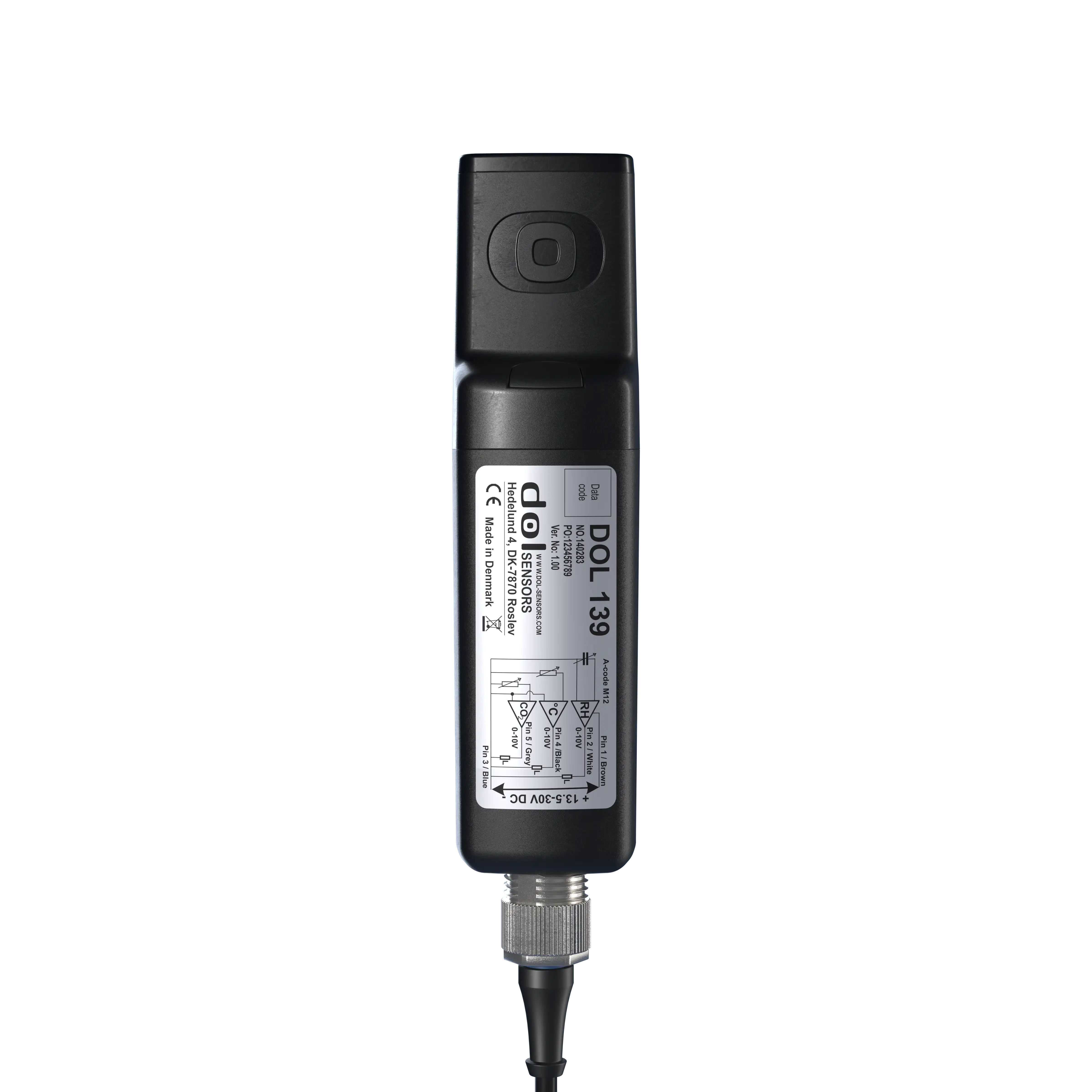
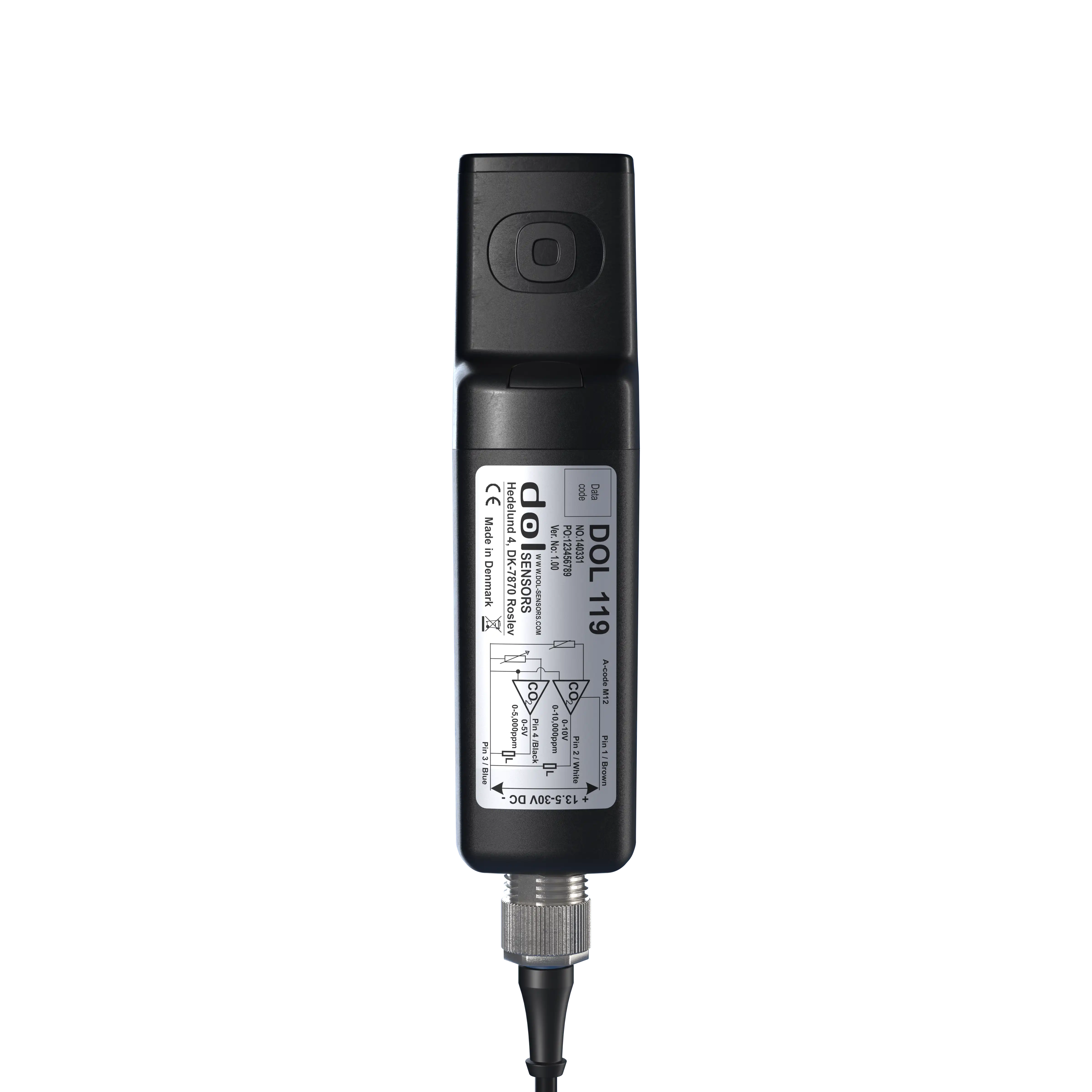
DOL 119 CO2 Sensor and DOL 139 Temperature, Humidity and CO2 Sensor both have protective caps attached to the cable to make them waterproof CO2 sensors. Both sensors also have IP67 protection against water and dust.