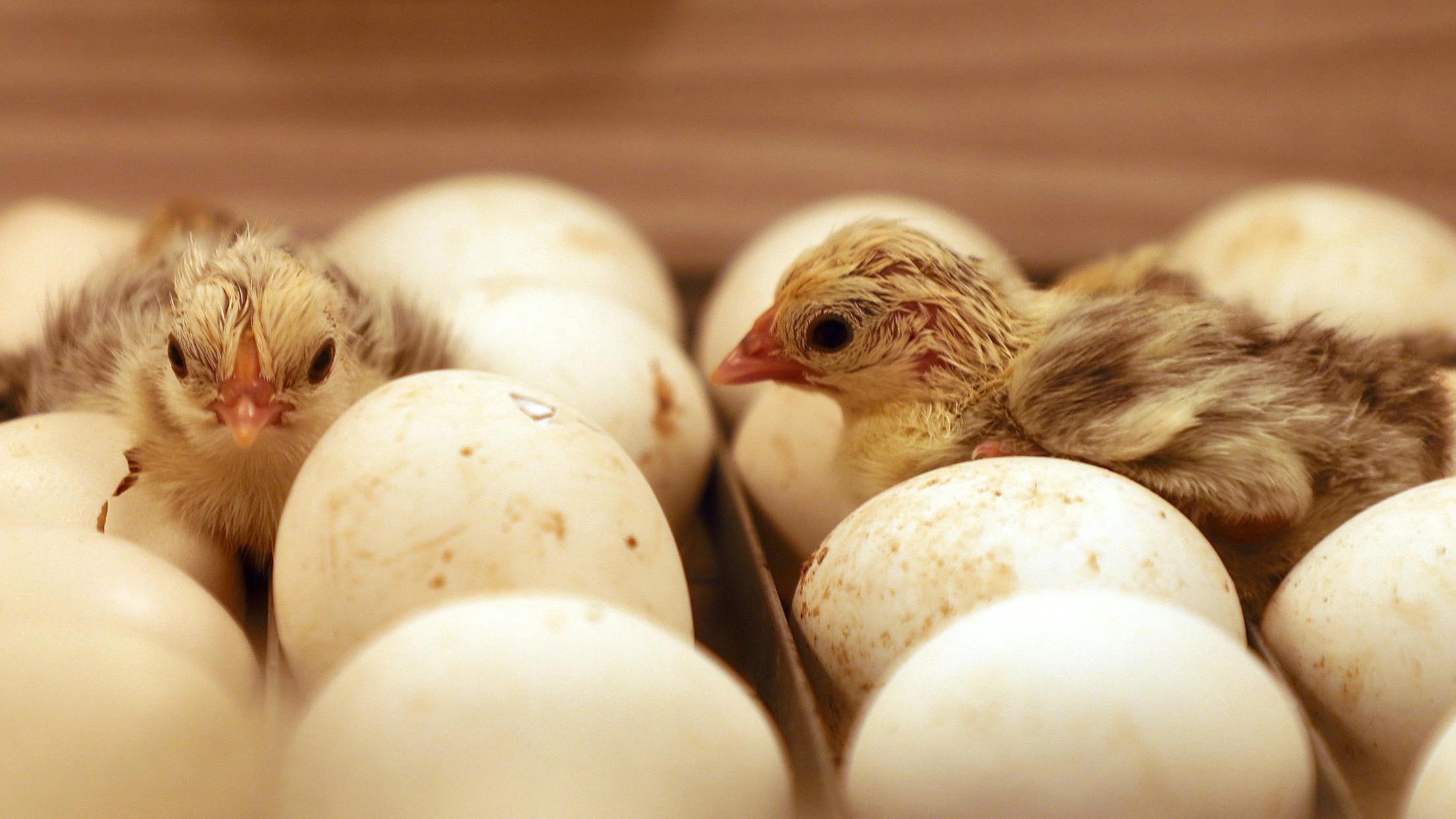
Hatchery
Reliable monitoring for optimal hatchery performance
High hatchability depends on precise and consistent environmental control. Temperature, humidity and CO₂ levels directly affect embryo development, and even small fluctuations can cause weak embryos, deformities or embryo loss. Uniform temperature distribution is especially important in the early stages of incubation.
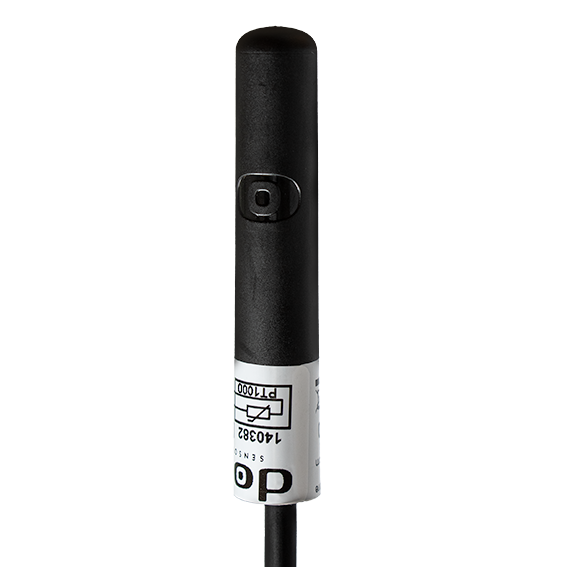
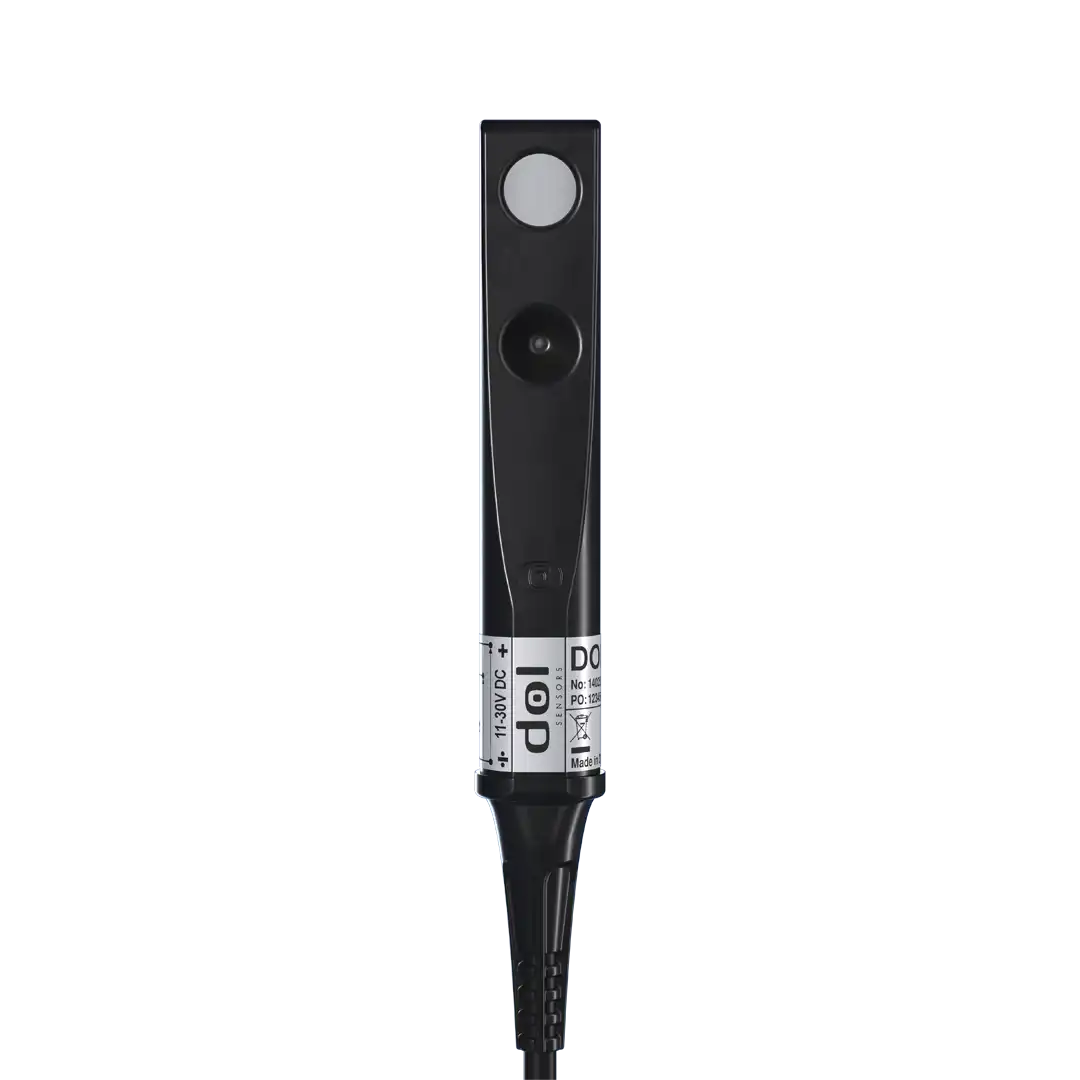
With dol-sensors DOL 112 and DOL 115 temperature sensors, hatchery managers can continuously monitor and maintain ideal temperatures, ensuring a stable, healthy environment for embryos. Our reliable, highly accurate sensors provide real-time data to climate controllers, enabling precise adjustments and reducing the risk of errors. By ensuring optimal incubation conditions, dol-sensors helps hatcheries improve uniformity, increase hatch rates and support stronger, healthier chicks.
Uniform temperature control
Temperature must be evenly distributed throughout the cabinet, because temperatures outside the ideal range can disrupt development, potentially causing deformities, weak embryos or even death. Embryos are highly sensitive to temperature fluctuations, especially in their early development.
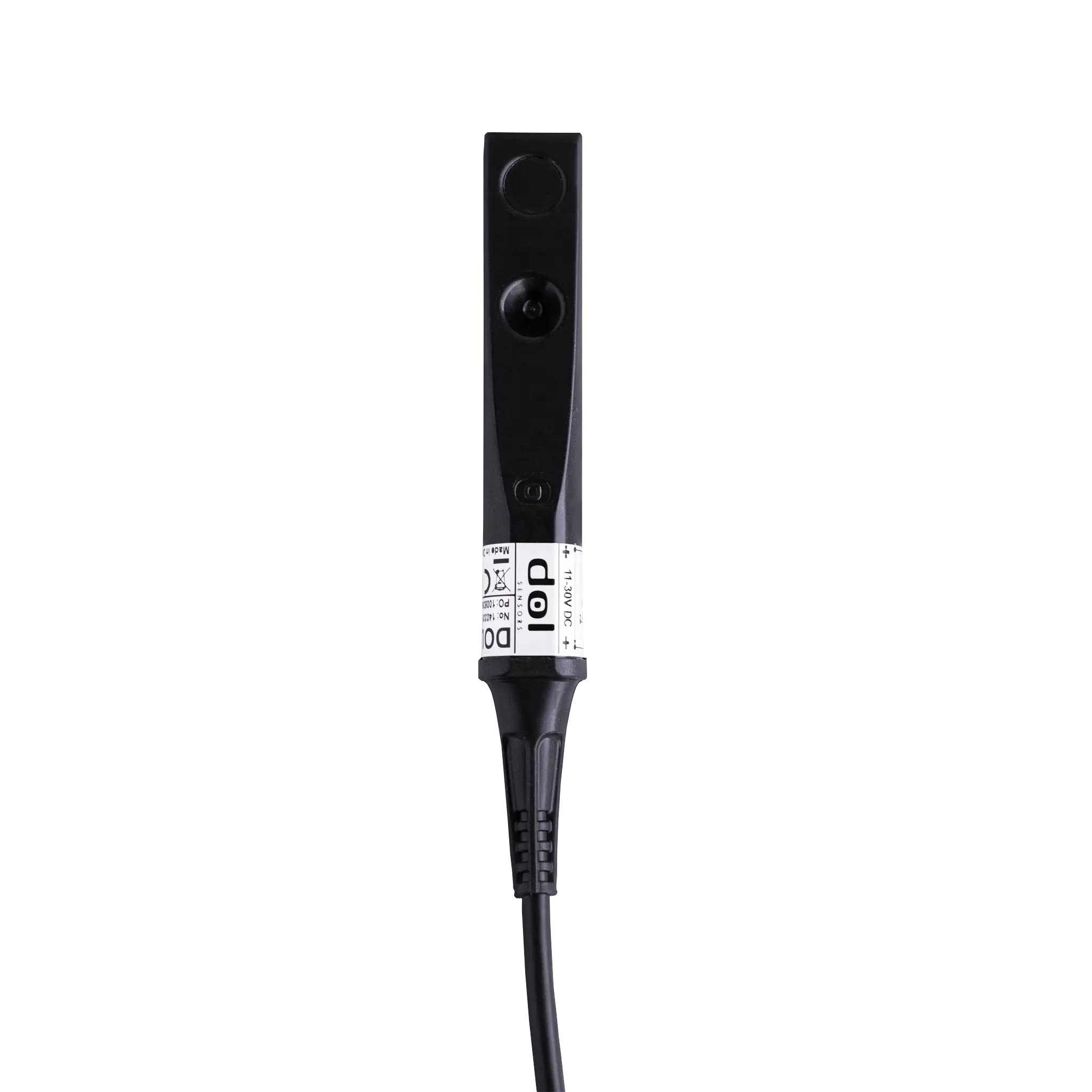
With a DOL 112 or DOL 115 Temperature Sensor, or a DOL 114 Temperature and Humidity Sensor, temperature is continuously and accurately monitored to provide optimal conditions for the eggs.
The critical role of humidity in hatchery success
Proper humidity prevents eggs from drying out or becoming too wet. Low humidity can cause chicks to become shrink-wrapped, while high humidity can cause fluid buildup, leading to respiratory problems or drowning. DOL 104 and DOL 114 humidity sensors are designed to resist moisture and condensation, ensuring long-lasting performance.
CO2 monitoring for healthy embryo growth
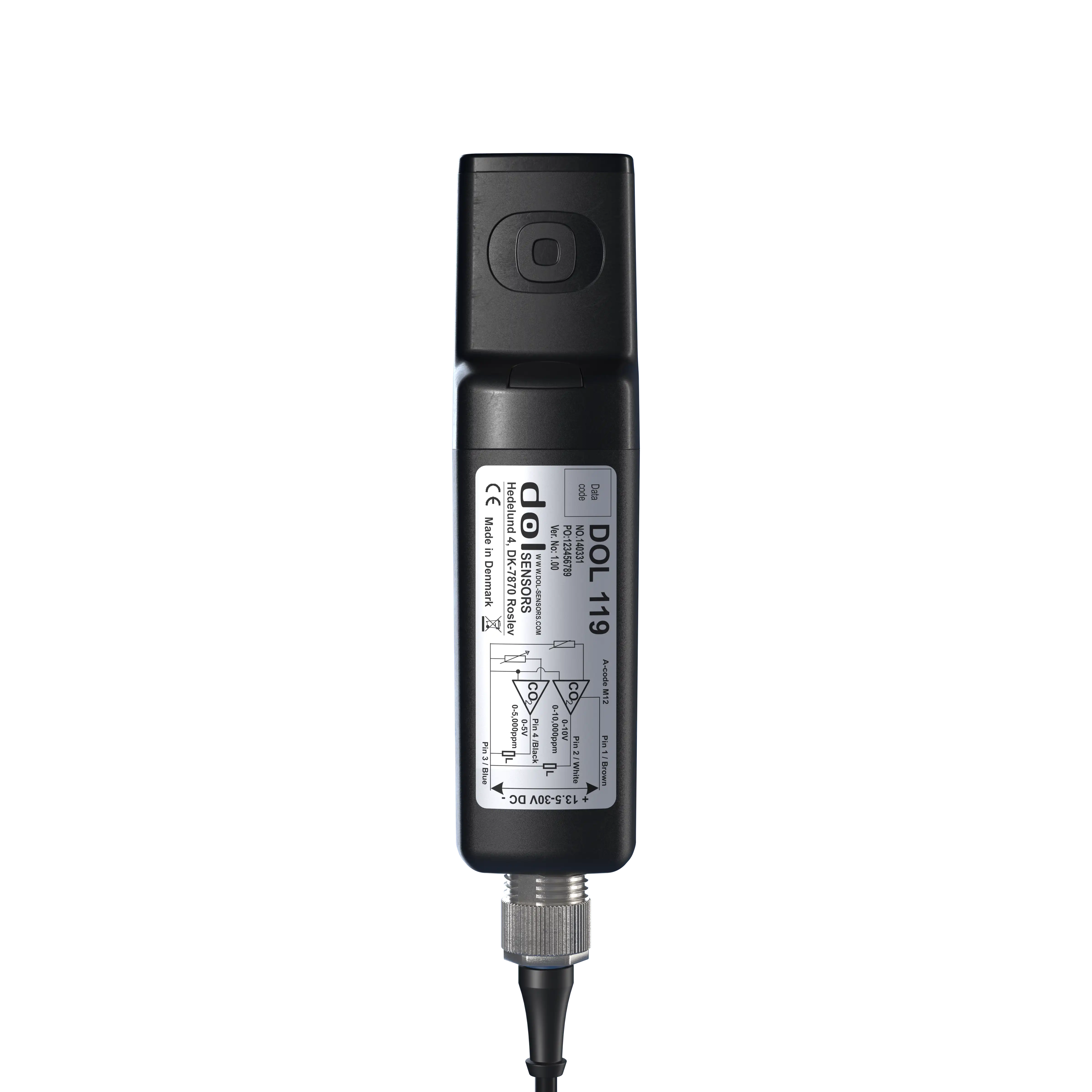
High CO2 levels can reduce oxygen exchange and harm embryo development. The DOL 119 CO2 Sensor requires no calibration and provides reliable, continuous CO2 monitoring.